
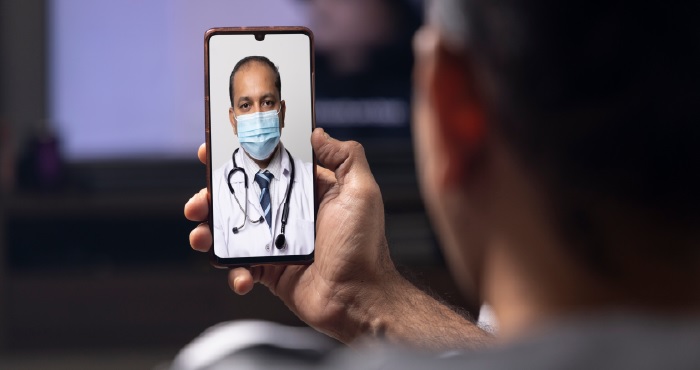
The NHS waiting room has become something of a national joke at this point. Not the staff, who are clearly working flat out, but the system itself — the two-week waits for a routine appointment, the phone lines that open at 8am and are full by 8:04. It’s pushed a lot of people towards private online GP services, and honestly, that’s not a bad thing. The problem is knowing which ones are worth your time and money.
Private online consultations have been around long enough now that the early awkwardness has mostly gone. Video calls with doctors feel normal. Sending a photo of a rash or a prescription request through an app doesn’t feel weird anymore. But the quality varies enormously, and there are real differences between services that are genuinely run by qualified clinicians and those that are more interested in processing volume than in actually looking at your case.
What Makes an Online GP Service Actually Useful
The first thing worth checking is who you’re actually speaking to. Some platforms have real GPs with full UK registration doing consultations; others operate on a more tiered model where a doctor only appears at the prescription stage. Neither is automatically wrong, but you should know what you’re paying for. A GP who reads your notes, asks follow-up questions, and occasionally says “actually, I’d like to refer you” is doing their job. One who mostly rubber-stamps requests is doing something else entirely.
Prescription services are probably the most common reason people use private online GPs. Repeat prescriptions especially, for things like contraception, blood pressure medication, thyroid treatment. The NHS does offer online repeat prescriptions through the NHS app, but it doesn’t cover everything, and if you’re not registered with a local surgery — which is more common than you’d think, particularly in cities — it gets complicated fast.
Services like IQ Doctor, operated by IQM Medical Limited, exist in this space. They handle private GP consultations and prescription requests online, which suits people who need something sorted quickly, or who can’t easily get to a physical surgery. It’s not trying to replace your NHS GP for ongoing complex care; it’s filling a specific gap that a lot of people genuinely have.
The Prescription Question
There’s a reasonable concern that some online services make it too easy to get prescriptions. And look, that concern isn’t unfounded. There have been cases, reported in the medical press, of people obtaining medication online that they probably shouldn’t have had without a proper consultation. Reputable services are aware of this, and the good ones have actual clinical oversight rather than just a checkbox process.
What you want to see is a service that will turn you down sometimes. That might sound odd, but a service that says yes to everything isn’t really practising medicine. Requestion a prescription and having a GP coming back saying they’d like more information, or that the particular medication you’re asking for isn’t right for your situation, is a sign that the system’s working properly. It might feel mildly annoying in the moment, but it’s also correct.
The cost is worth thinking about too. A private GP consultation typically runs anywhere from £30 to over £100 depending on the service and the complexity of what you need. Prescriptions add to that. For most healthy people dealing with routine issues, it’s manageable. If you have ongoing on complex health needs, think carefully about whether private online care is right for you, or whether it’s worth the effort to push harder to get NHS access.
A Few Things That Get Overlooked
People tend to focus on the consultation itself but not the aftercare. What happens if the medication causes a problem? What if your condition changes? A decent service will have a clear process for follow-up, not just a generic FAQ page and a generic email address. Check that before you hand over any payment details.
Also, your records matter. Make sure any online GP service you use provides documentation of your consultation that you can share with your NHS GP if needed. Keeping your GP informed about private consultations isn’t just polite, it’s genuinely important for continuity of care, and any clinician worth trusting will understand that.
Online GP services aren’t a shortcut around proper healthcare. Used sensibly, for the right situations, they’re a practical option that a lot of people in the UK have quietly come to rely on.