
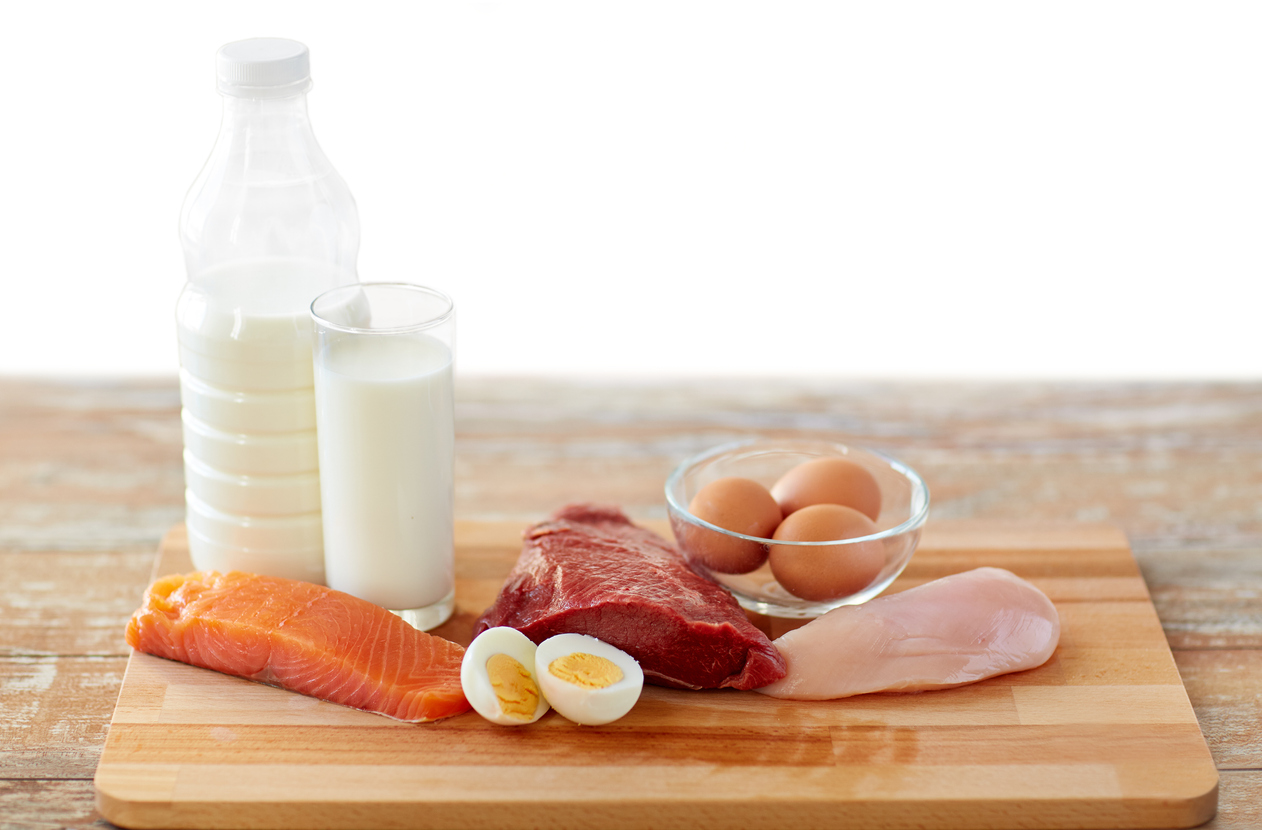
The conversation around protein has become increasingly polarized, often framed as a strict choice between plant-based and animal-based diets. In reality, protein quality, health impact, and suitability depend on far more than the source alone. This article takes a grounded, evidence-informed look at plant proteins vs animal proteins, focusing on nutrition rather than trends or marketing claims.
Understanding Protein Beyond the Basics
Protein is essential for building and repairing tissues, supporting immune function, producing hormones, and maintaining muscle mass. From a nutritional standpoint, proteins are made up of amino acids, nine of which are considered essential because the body cannot produce them on its own.
The key question is not simply where protein comes from, but how it functions within the context of an overall diet.
What Defines Protein Quality?
Protein quality is commonly evaluated using several criteria:
-
Amino acid profile – whether all essential amino acids are present
-
Digestibility – how efficiently the body absorbs and uses the protein
-
Bioavailability – how much of the absorbed protein is available for physiological functions
Animal proteins typically score higher on digestibility and amino acid completeness, while plant proteins vary widely depending on the source and preparation.
Animal Proteins: Strengths and Limitations
Animal-based proteins include meat, poultry, fish, eggs, and dairy products.
Nutritional Advantages
-
Complete proteins, containing all essential amino acids
-
High levels of vitamin B12, heme iron, zinc, and calcium
-
Excellent support for muscle maintenance and recovery
Considerations
-
Some sources are high in saturated fat and cholesterol
-
Processed meats are associated with higher health risks when consumed frequently
-
Environmental and ethical concerns may influence personal choices
Animal proteins can be highly nutritious, but moderation and food quality matter significantly.
Plant Proteins: Strengths and Limitations
Plant-based proteins come from legumes, whole grains, nuts, seeds, soy products, and vegetables.
Nutritional Advantages
-
Naturally rich in fiber, phytonutrients, and antioxidants
-
Typically lower in saturated fat
-
Associated with improved heart health and gut health
Considerations
-
Many plant proteins are incomplete, lacking one or more essential amino acids
-
Some have lower digestibility due to fiber and antinutrients
-
Vitamin B12 and iron may require careful dietary planning
Combining different plant protein sources throughout the day effectively addresses amino acid gaps.
Amino Acid Completeness: Is It a Dealbreaker?
A common misconception is that incomplete proteins are nutritionally inferior. In practice, the body maintains an amino acid pool, allowing complementary proteins to work together.
Examples of effective plant protein combinations include:
-
Rice and beans
-
Lentils and whole grains
-
Hummus and whole wheat bread
Protein timing across the day matters more than combining foods within a single meal.
Digestibility and Absorption Differences
Animal proteins generally have higher digestibility scores, meaning the body can utilize them more efficiently. Plant proteins may be slightly less digestible due to fiber and plant compounds, but cooking, soaking, fermenting, and sprouting significantly improve absorption.
From a health perspective, slower digestion of plant proteins may actually support better blood sugar control and satiety.
Health Outcomes: What the Evidence Suggests
Long-term health outcomes are shaped by dietary patterns, not isolated nutrients.
-
Diets emphasizing plant proteins are linked to lower risk of cardiovascular disease
-
Lean animal proteins can support muscle mass and nutrient adequacy, especially in aging populations
-
Excessive reliance on ultra-processed protein sources—plant or animal—reduces nutritional quality
Balanced diets that prioritize whole foods consistently show the best health outcomes.
Sustainability and Practical Considerations
While nutrition is the focus here, food choices do not exist in a vacuum.
-
Plant proteins generally require fewer resources to produce
-
Animal proteins provide high nutrient density in smaller volumes
-
Accessibility, cultural preferences, and budget play important roles
A flexible approach allows individuals to align nutrition with personal values and circumstances.
Finding a Middle Ground
Rather than framing plant and animal proteins as rivals, many diets benefit from including both.
A balanced approach may include:
-
Plant proteins as daily staples
-
Animal proteins consumed in moderate, high-quality portions
-
Emphasis on whole, minimally processed foods
This strategy supports nutritional adequacy without unnecessary restriction.
Frequently Asked Questions (FAQ)
1. Can you meet all protein needs with only plant-based foods?
Yes, with careful planning and sufficient calorie intake, plant-based diets can meet protein requirements across most life stages.
2. Are animal proteins better for muscle building?
Animal proteins are efficient for muscle protein synthesis, but plant proteins can also support muscle growth when consumed in adequate amounts.
3. Do plant proteins cause nutrient deficiencies?
They can if diets are poorly planned, particularly for vitamin B12, iron, and omega-3 fatty acids.
4. Is soy protein nutritionally comparable to animal protein?
Soy is one of the few plant proteins considered complete and has digestibility comparable to animal sources.
5. Does protein source affect weight management?
Total calorie intake, fiber content, and food quality matter more than whether protein is plant- or animal-based.
6. Are protein supplements necessary?
Most people can meet protein needs through food alone; supplements may help in specific situations like high athletic demand or medical needs.
7. Is it healthier to avoid animal protein entirely?
Not necessarily. Health outcomes depend on overall diet quality, food choices, and lifestyle factors rather than exclusion alone.