
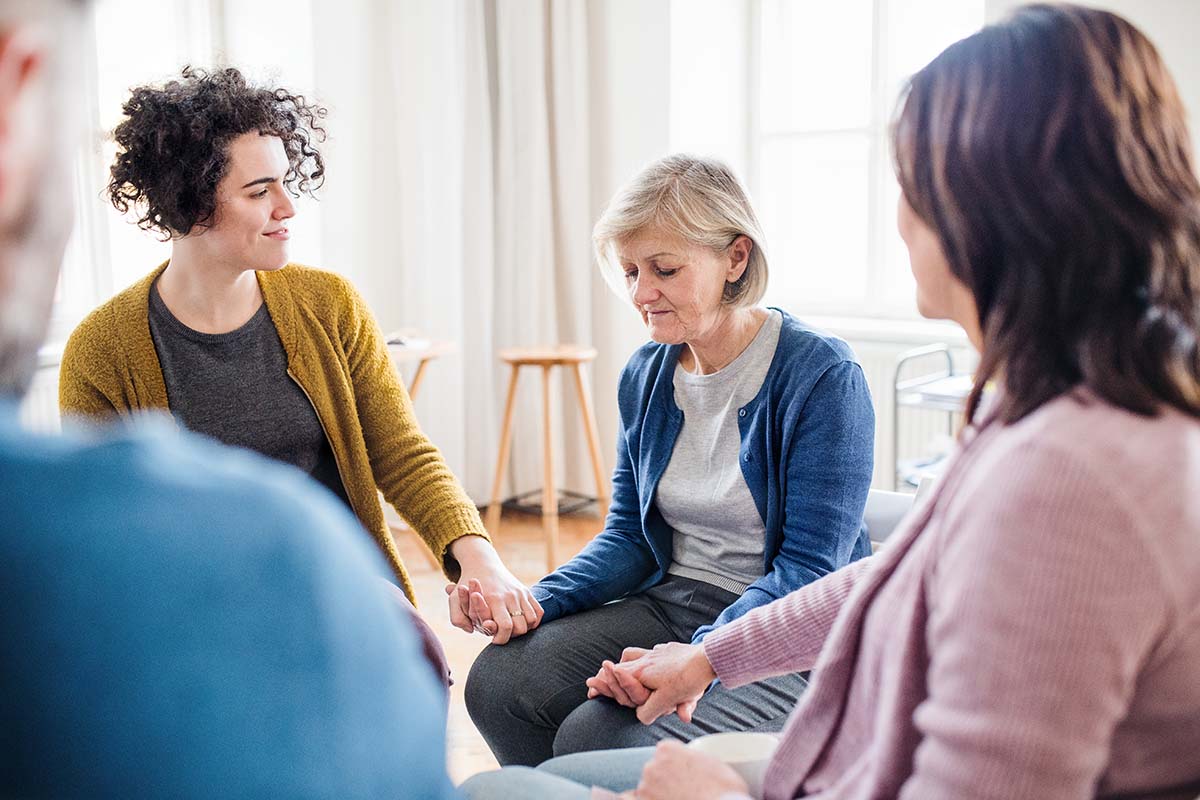
Women’s health is shaped by far more than biology alone. Social roles, caregiving responsibilities, workplace pressures, and cultural expectations all influence how women experience health and illness. In this context, support systems—from family and friends to community networks and professional care—play a decisive role in improving health outcomes and overall well-being.
Understanding Support Systems in Women’s Health
A support system refers to the network of people and resources that provide emotional, practical, and informational assistance. For women, these systems often include partners, relatives, friends, colleagues, healthcare providers, and peer groups.
Strong support systems help women:
-
Navigate life transitions such as pregnancy, menopause, or aging
-
Cope with chronic illness or mental health challenges
-
Maintain healthier lifestyles through encouragement and accountability
The Connection Between Support and Physical Health
Research consistently shows that women with strong social support experience better physical health outcomes. Supportive relationships can directly influence health behaviors and recovery processes.
Key physical health benefits include:
-
Improved cardiovascular health, as social connection lowers stress-related blood pressure
-
Faster recovery after surgery or illness due to practical and emotional assistance
-
Better chronic disease management, including diabetes and autoimmune conditions
When women feel supported, they are more likely to attend medical appointments, follow treatment plans, and advocate for their own health needs.
Emotional and Mental Health Benefits of Support Networks
Mental health is one of the areas where support systems make the most visible difference. Women are statistically more likely to experience anxiety, depression, and stress-related disorders, often linked to caregiving roles and emotional labor.
Support systems contribute by:
-
Reducing feelings of isolation and burnout
-
Providing safe spaces for emotional expression
-
Offering perspective during periods of grief, trauma, or major life stress
Women who feel emotionally supported tend to show greater resilience, healthier coping mechanisms, and lower rates of severe mental health crises.
Support Systems and Reproductive Health
From adolescence through later adulthood, women face unique reproductive health needs. Support systems can significantly improve outcomes during sensitive periods.
Examples include:
-
Pregnancy and postpartum support, reducing the risk of complications and postpartum depression
-
Fertility and family planning guidance, helping women make informed decisions
-
Menopause support, easing physical symptoms and emotional changes
Women with strong support during these stages report higher satisfaction with care and better long-term health.
The Role of Community and Peer Support
Community-based support—such as women’s groups, wellness circles, and peer mentoring—offers benefits beyond individual relationships. These environments foster shared understanding and collective empowerment.
Community support helps women:
-
Learn from shared experiences
-
Normalize health challenges that are often stigmatized
-
Build confidence in managing their health
Peer support is especially valuable for women facing chronic illness, single motherhood, caregiving responsibilities, or social marginalization.
Barriers That Limit Access to Support
Despite its importance, not all women have equal access to strong support systems. Common barriers include:
-
Social isolation or geographic distance
-
Cultural norms discouraging help-seeking
-
Economic constraints and time limitations
-
Lack of inclusive or culturally sensitive services
Addressing these barriers is essential to closing health gaps and improving outcomes across diverse populations.
Building and Strengthening Support Systems
Support systems are not always automatic—they can be intentionally built and strengthened over time.
Practical steps include:
-
Prioritizing meaningful relationships and communication
-
Seeking out community or interest-based groups
-
Advocating for supportive workplace policies
-
Utilizing professional support when needed
Small, consistent efforts can lead to powerful improvements in both physical and emotional health.
Why Support Systems Are a Public Health Priority
Improving women’s access to support systems benefits not only individuals but also families and communities. Healthier women are better equipped to participate in the workforce, care for loved ones, and contribute to society.
From a public health perspective, investing in social support:
-
Reduces long-term healthcare costs
-
Improves preventive care uptake
-
Enhances quality of life across generations
Frequently Asked Questions (FAQs)
1. How do support systems directly affect women’s health outcomes?
Support systems reduce stress, encourage healthy behaviors, and improve adherence to medical care, all of which lead to better physical and mental health.
2. Can online communities provide effective health support for women?
Yes, online groups can offer emotional validation, shared knowledge, and connection, especially for women with limited local support.
3. Are support systems equally important at all stages of a woman’s life?
Absolutely. From adolescence to older adulthood, women benefit from tailored support that reflects their changing health needs.
4. How does lack of support impact women’s mental health?
Limited support increases the risk of anxiety, depression, burnout, and delayed help-seeking for mental health concerns.
5. What role do healthcare providers play in women’s support systems?
Healthcare providers offer critical informational and emotional support, helping women understand conditions, treatment options, and preventive care.
6. Can support systems help women manage chronic illnesses better?
Yes, emotional encouragement and practical help significantly improve disease management and quality of life.
7. How can women with busy schedules build stronger support networks?
By prioritizing quality over quantity, setting boundaries, and using flexible options like virtual meetups or short check-ins, even busy women can maintain strong support systems.